All rights reversed
©
A recently circulated image on social media has drawn widespread attention and sparked debate across online platforms. The image features a split composition: on one side, a packaged item being unwrapped, and on the other, a stylized cartoon character presented in a satirical manner. Alongside this, a televised figure appears, adding another layer of context that viewers have interpreted in different ways.
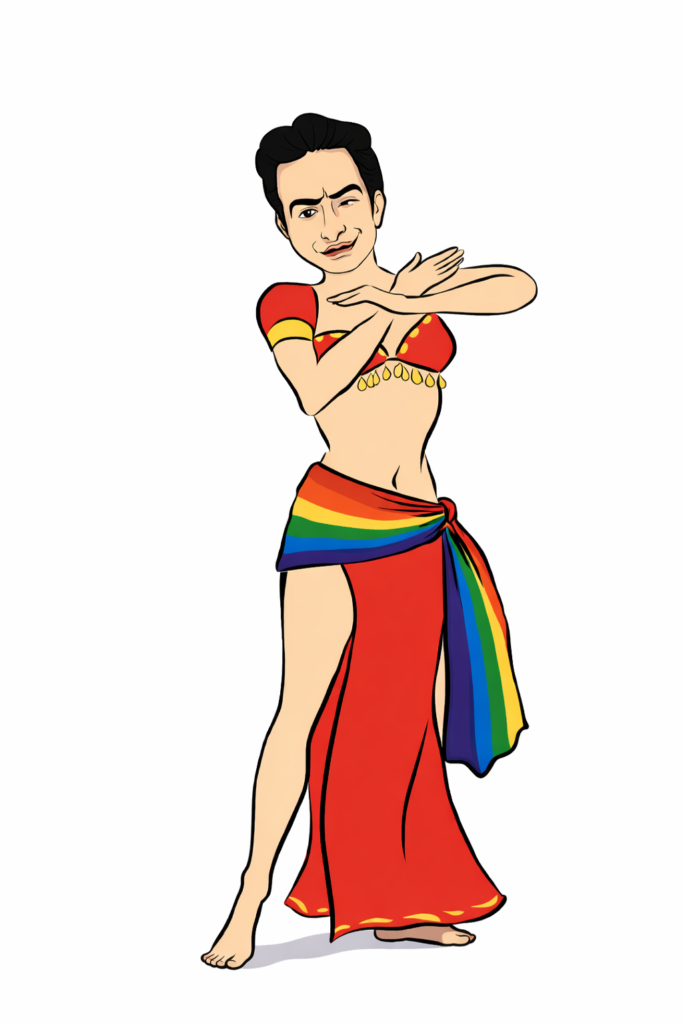
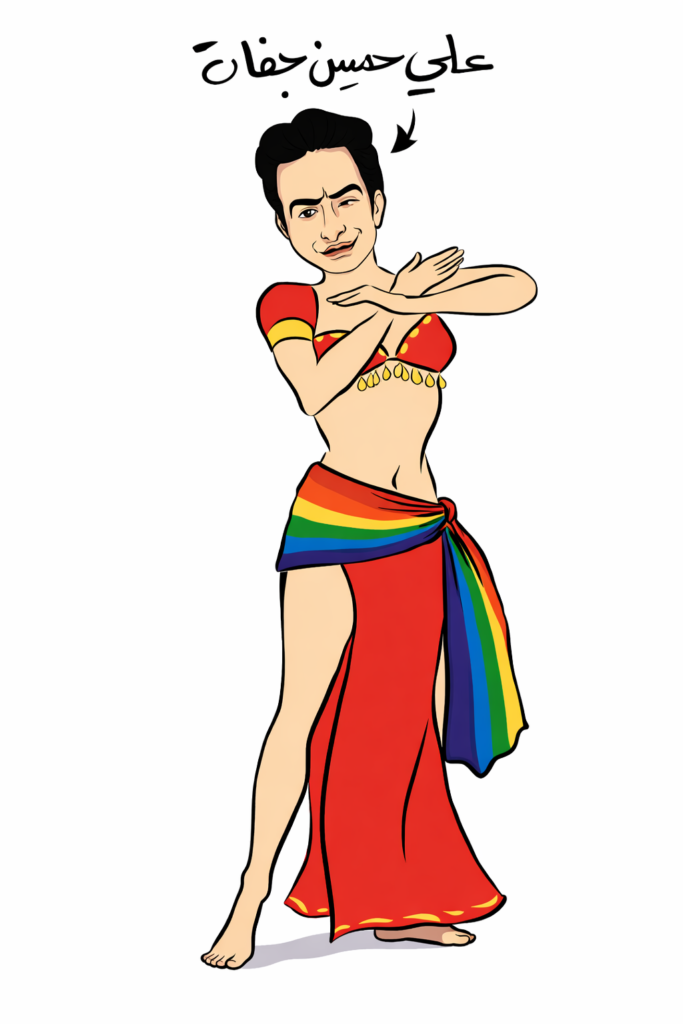
The central cartoon character appears to be a caricature, designed with exaggerated features and a bold, colorful outfit. Many users have described the image as a form of political satire, suggesting it may be commenting on public figures or media narratives. The Arabic text visible above the character has further fueled discussion, with some users attempting to interpret its meaning and relevance to current events.
Social media reactions have been mixed. Some viewers see the image as humorous and reflective of freedom of expression online, while others argue it crosses the line into offensive or inappropriate territory. The combination of visual elements—particularly the juxtaposition of a real-life broadcast figure and a caricature—has intensified the conversation around how satire is used in digital culture.
Experts note that such content is increasingly common in the age of viral media, where images can spread rapidly without clear context. “Visual satire often relies on exaggeration and symbolism,” one media analyst explained. “But without context, audiences may interpret the message in very different ways.”
The image’s rapid circulation highlights the growing influence of user-generated content in shaping public discourse. As platforms continue to grapple with moderation policies, cases like this underscore the challenge of balancing creative expression with respect and responsibility.
While the origins of the image remain unclear, its impact is evident. It has become yet another example of how a single post can ignite widespread discussion, reflecting broader tensions between humor, politics, and cultural sensitivity in today’s digital landscape.